
The 38mm Field Watch That Freezes Time: A Hands-On With a Mountain-Inspired Limited Edition
There is a peculiar magic that happens when a utilitarian field watch meets the romanticism of alpine exploration. The result is often a piece that feels both grounded and aspirational—a tool that whispers of summit views and icy winds. I spent several weeks with this particular limited edition, a 38mm manual-wind field watch that pays homage to one of Europe's most iconic peaks, and what I discovered was a timepiece that is as much about emotion as it is about mechanics.
First Impressions: The Mountain on the Caseback
Out of the box, the watch presents itself with an understated confidence. The 38mm stainless steel case is bead-blasted to a matte finish that resists reflections and exudes a rugged, no-nonsense character. The solid caseback is where the story unfolds—a finely engraved Matterhorn silhouette that catches light and attention with equal ease. It is a detail that transforms the watch from a mere instrument into a keepsake, a tangible memory of alpine grandeur.
The solid-color NATO strap, in a muted gray-green, complements the dial's icy aesthetic. The strap is comfortable, durable, and true to the field watch heritage. The signature Khaki Field design elements are all present: the clean, legible dial with large Arabic numerals, the syringe-style hands, and the 12-hour bezel—though on this edition, the bezel remains fixed, emphasizing simplicity and clarity.
Dial Details: Icy Clarity in a Compact Package
The dial is where this edition truly distinguishes itself. The sunburst gray-white finish evokes frost-covered rock, and the stark black numerals provide exceptional legibility. The use of Super-LumiNova ensures visibility in low-light conditions, a thoughtful touch for anyone who might actually use this watch as a navigation tool. The absence of a date window preserves the symmetrical balance, a design choice that purists will appreciate.
However, the dial's simplicity belies a deeper complexity. At its heart lies the H-50 manual-wind movement, based on the robust ETA 2801-2 architecture. With an 80-hour power reserve, it offers extended autonomy—a practical advantage for weekend expeditions or simply daily wear without constant winding.
Movement Mechanics: The Heart of the Mountain
Inside the case, the H-50 movement operates at 21,600 vibrations per hour (3Hz) and features hacking seconds, allowing for precise time-setting. The movement is decorated with Geneva stripes, though these are hidden behind the solid caseback—a deliberate choice that prioritizes the engraved artwork over mechanical exhibition. The manual-wind mechanism is smooth, with a satisfying resistance that encourages daily engagement.
The movement's proven reliability and ease of service are well-documented, though some collectors might yearn for a more exotic caliber. For a limited edition, the expectation of exclusivity often extends beyond the dial and caseback to the movement itself, creating a tension between tradition and innovation.
On the Wrist: A Study in Versatility
Wearing the watch, the 38mm case feels nearly perfect—large enough to be legible, small enough to disappear under a cuff. The NATO strap adds to the comfort and allows for quick changes to match attire or mood. The watch's lightweight nature and thin profile (just under 10mm) make it an ideal companion for both urban environments and outdoor adventures.
The bead-blasted finish resists scratches admirably, though sharp impacts can leave marks—a trade-off for the matte aesthetic. The acrylic crystal, while warm and vintage in appearance, is more prone to scratches than sapphire, a choice that evokes nostalgia but requires careful handling.
Two Opposing Views: The Collector's Dilemma
During my time with the watch, I encountered several sharply divided perspectives:
Viewpoint A (The Traditionalist): "This is exactly what a field watch should be—simple, robust, and historically rooted. The Matterhorn engraving adds a unique story without compromising the tool-watch ethos. The manual-wind movement encourages a connection with the watch that automatic movements often lack. This is a piece for purists who value substance over hype."
Viewpoint B (The Skeptic): "A limited edition with a different caseback and a new dial color? This is a marketing exercise, not a true homage. The movement is decades old, and the acrylic crystal is a step backward. For the price, you could explore Custom Ceramic Watches with modern materials and advanced specifications. The 'exclusive' label feels manufactured rather than earned."
Viewpoint C (The Pragmatist): "The watch is well-made, comfortable, and aesthetically pleasing. The Zermatt connection is meaningful, and the limited quantity (only available in Switzerland) adds genuine scarcity. However, the solid caseback hides the movement, and the acrylic crystal is a liability. For a daily wearer, I'd prefer a sapphire crystal and a more scratch-resistant case finish. It's a great piece, but not perfect."
These perspectives highlight the central tension: is the watch a genuine tribute to alpine heritage or a calculated commercial exercise? The answer likely depends on one's personal connection to the story and expectations of value.
The Unanswered Question: Where Does the Value Lie?
Beyond the aesthetic and mechanical considerations, the watch raises a practical question: what does exclusivity truly mean? With availability limited to Switzerland, the watch becomes a souvenir as much as a timepiece. The Watch Factory Near Me (should you find one in Switzerland) might offer similar specifications at a lower cost, but without the alpine narrative. The engraving, the color scheme, and the limited distribution create a sense of place that elevates the watch beyond its functional components.
This brings us to a broader trend: the rise of region-specific editions that play on local pride and heritage. Such models allow enthusiasts to own a piece of a story, a tangible connection to a time and place. Yet, they also risk being dismissed as mere novelties, lacking the substance to justify their premium.
The Verdict: Who Should Buy This Watch?
After several weeks of wear, I have concluded that this field watch is a thoughtful, well-executed limited edition that will appeal to those who appreciate storytelling and heritage. It is not a revolution in watchmaking, nor does it pretend to be. It is a reliable, characterful piece that wears comfortably and looks distinctive.
The absence of a sapphire crystal and the use of a solid caseback may deter some, but these elements also contribute to its vintage charm. For collectors who value the experience and narrative over raw specifications, this watch delivers. For those seeking cutting-edge materials like Custom Zalium Watches, it might fall short.
The lingering question—whether the alpine connection genuinely enhances the watch's value or merely adds a layer of marketing—will remain subjective. But perhaps that is the essence of watch collecting: finding meaning in the details that resonate with you.
One final thought: the Matterhorn engraving on the caseback is not just a decoration; it is a daily reminder of nature's majesty and human achievement. That, in itself, may be worth the price of admission.
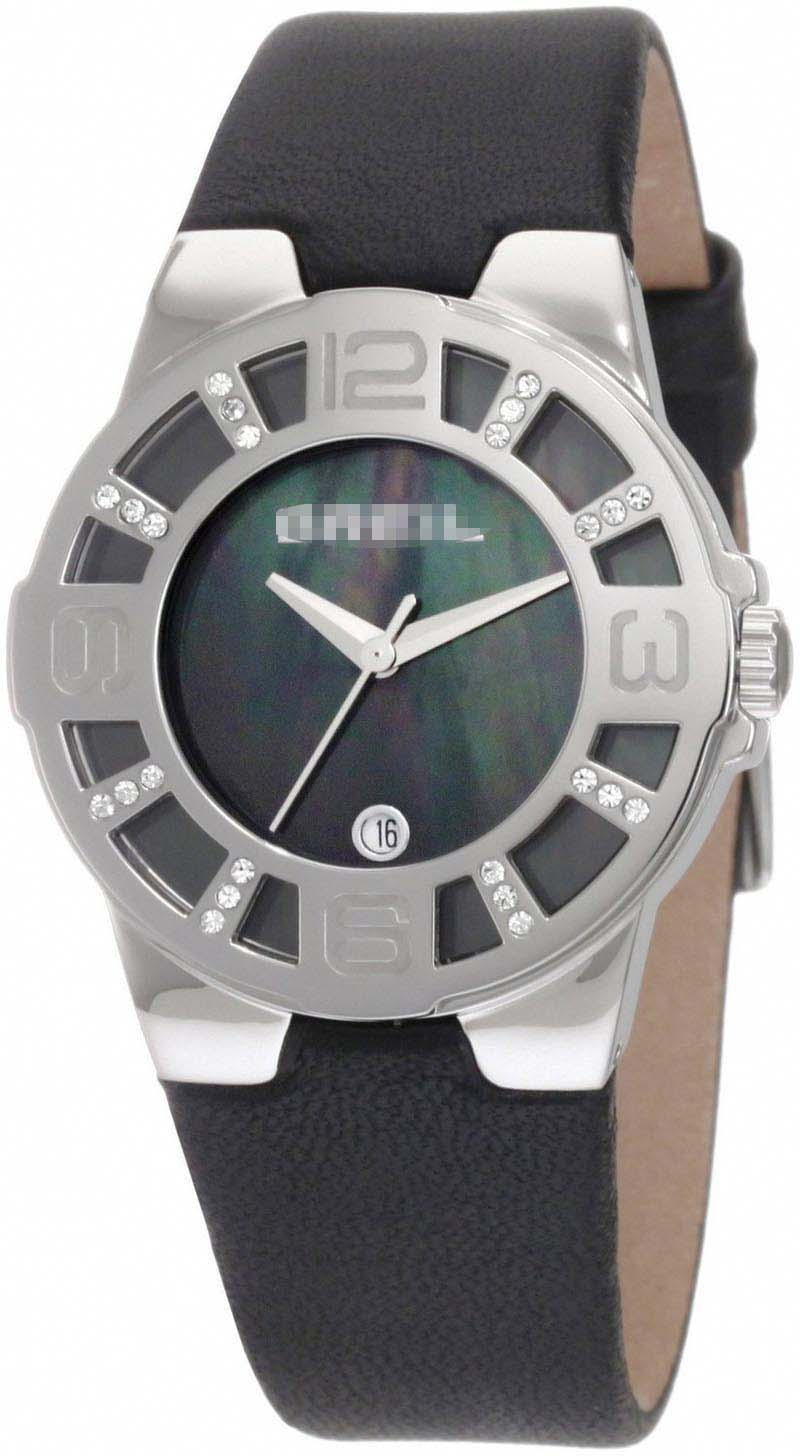
Featured image: The 38mm field watch on a solid-color NATO strap, showing the bead-blasted finish and the engraved Matterhorn caseback.