
The Blue Dial Mutiny: Why One Forgotten Chronograph Is Forcing a Reckoning with the Icons
There is a peculiar moment in every watch collector's journey when the weight of legacy becomes a burden rather than a comfort. You stand at a crossroads, staring at the usual suspects—the lunar-tested workhorse and the gilded racing thoroughbred—and you wonder: is this really it? Just as you resign yourself to the safe choice, a whisper cuts through the noise. It speaks of a ghost from the 1970s, a prototype so rare that only a handful of photographs survived. Now, that ghost has taken physical form, clad in a mesmerizing blue that shifts from midnight abyss to sun-drenched Mediterranean. This is not just another release; it is a blue dial mutiny against the established order. The question is not which watch is better, but whether we have been asking the wrong question all along.
The Resurrection of a Spectral Design
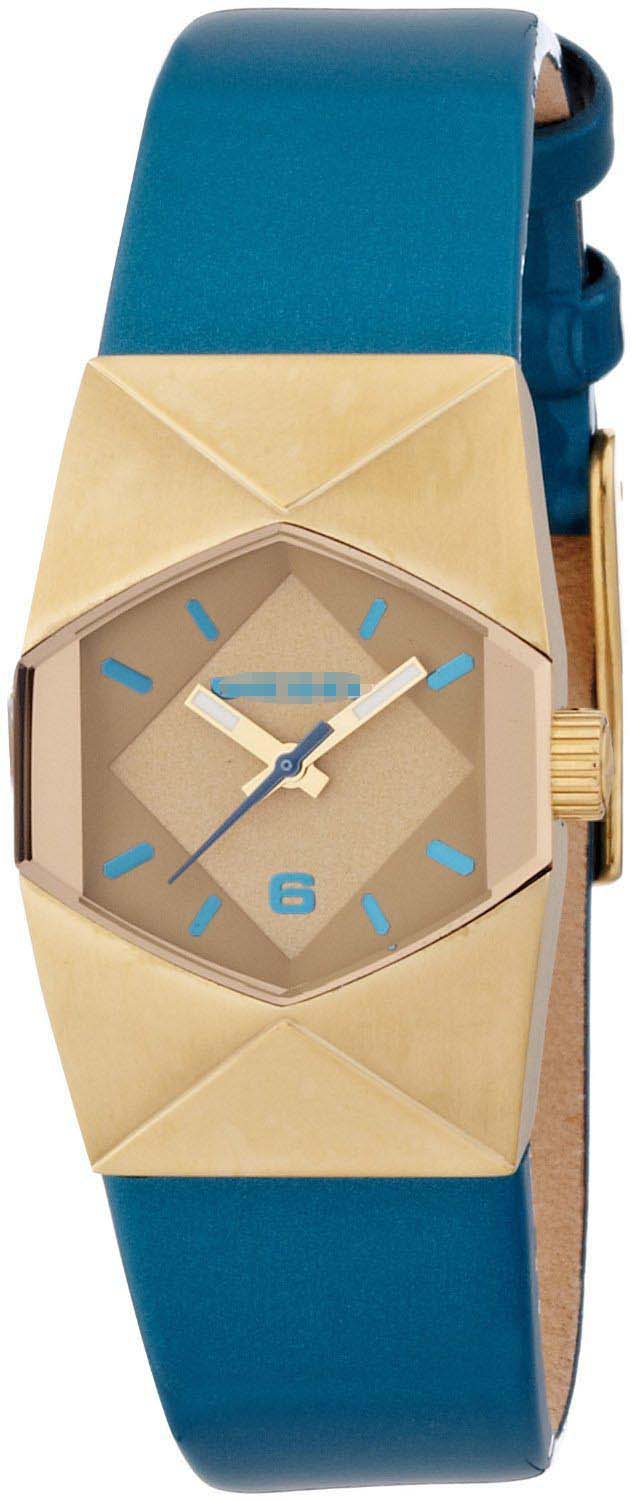
Every great horological story begins with an archive dive. For this new contender, the journey started with a single, grainy image of a prototype that was never officially produced—a design so audacious for its era that the original executives deemed it too risky. Fast forward half a century, and the brand's current custodians decided to give this phantom a pulse. The result is a watch that feels both deeply familiar and utterly alien. Its cushion-shaped case, sharp faceted lugs, and bi-compax layout scream 1970s sports chic, yet the execution is impeccably modern. The blue dial is the star here—not a flat, painted surface, but a sunburst that catches light like a tropical lagoon, with contrasting orange accents that pop with tactical precision. This is not a reissue; it is a reanimation, and it dares to ask if a watch that never existed can carry more soul than one that has been produced for decades.
Technical Arsenal vs. Emotional Quotient
Let us dissect the mechanics. The new blue chronograph houses a hand-wound movement with a column-wheel chronograph mechanism—a feature that purists revere for its crisp, tactile engagement. Its power reserve hovers around the 60-hour mark, and the water resistance is rated for recreational swimming. On paper, this is a robust, honest movement. Now, compare that to the legendary calibers found in the two titans: one boasts a co-axial escapement and master chronometer certification, while the other is a vertical-clutch, automatic behemoth with a name that resonates like a thunderclap. Yet, numbers do not tell the whole story. The blue chronograph offers a viewing window into its heart, revealing bridges decorated with perlage and Geneva stripes—finishing that rivals pieces costing three times as much. But here is the rub: finishing is art, while precision is science. The question remains—do you wear a chronograph for the poetry of its gears or for the metronomic guarantee of its timing?
The Icons: A Crown and a Moon
No discussion of chronographs is complete without acknowledging the elephants in the room. The first is the watch that went to the moon—a manual-wind speedmaster that has become synonymous with human achievement. Its legacy is unassailable, its design language so iconic that any deviation feels like heresy. The second is the premium racing chronograph, a self-winding marvel with a ceramic bezel and a name that has become a status symbol in its own right. Both are masterpieces, refined over generations. They represent the pinnacle of what the Best Watch Manufacturer can produce in terms of mass-market excellence. They are safe, recognizable, and hold their value with the stubbornness of a Swiss bank vault. But safety has a hidden cost: predictability. When you strap on one of these icons, you are not just wearing a timepiece; you are wearing a collective memory, a shared narrative that leaves little room for your own story.
The Aluminum and Platinum Dichotomy
Material choices further divide these paths. The blue chronograph embraces a vintage-appropriate bead-blasted steel finish, but its bezel is a study in restraint—aluminum, not ceramic. This is a deliberate nod to the past, acknowledging that Custom Aluminum Watches offer a warmth and patina potential that high-tech ceramics cannot replicate. Scratches become memories, fading becomes character. In contrast, the racing icon uses a scratch-proof ceramic bezel, while the lunar classic has historically used aluminum before transitioning to other materials. But if you want to talk about ultimate exclusivity, imagine a chronograph case hewn from solid platinum—a material so dense and luxurious that it changes the entire wearing experience. Custom Platinum Watches are the domain of the ultra-wealthy, but the blue chronograph, with its humble steel, makes a different statement: that true luxury is not about material rarity, but about emotional scarcity—a feeling that cannot be mass-produced.
The Showdown: Three Opposing Viewpoints
To navigate this conundrum, we must entertain the voices that will divide the community. Here are three distinct, defensible positions that will fuel the debate for months to come.
Viewpoint 1: The Heritage Purist
"The moon watch and the Daytona are not just watches; they are historical artifacts. They have been tested in extreme conditions and have proven their worth over decades. The new blue chronograph is a fantasy—a pastiche of a prototype that never even made it to production. It is a product of marketing, not history. You cannot manufacture legacy. Buying the blue watch is buying a story, but buying the icons is buying a verified chapter in horological history. Would you trust a car that was only a concept, or would you drive the one that won Le Mans?"
Viewpoint 2: The Experience Seeker
"Legacy is just another word for stagnation. The moon watch and the Daytona are incredible, but they are also predictable. Everyone has one. The blue chronograph offers something the others cannot: a connection to a 'what if' scenario. It sparks conversations, it surprises people, and it does not come with the baggage of celebrity wrist shots. Its manual-wind movement forces you to engage with it daily, creating a ritual that automatic watches lack. The icons are for showing off; this is for feeling. And feeling is what watch collecting is really about."
Viewpoint 3: The Pragmatic Investor
"This debate is emotional nonsense. Look at the secondary market. The racing chronograph has appreciated like fine art, and the moon watch holds its floor with the resilience of a tank. The blue chronograph is a niche product from a revival brand—its value is volatile, its long-term serviceability uncertain. If you are spending thousands of dollars, you are buying an asset, not a toy. The icons are blue-chip stocks; the blue chronograph is a crypto gamble. You can love the gamble, but do not confuse it with a sound financial decision. And for the record, neither of them can beat a quartz for accuracy, so if precision is your only metric, you have already lost."
The Unspoken Variable: Wearability and Daily Life
Let us step away from the spec sheets and investment charts. What does it actually feel like to wear each of these watches? The lunar icon is famously chunky, with long lugs that overhang smaller wrists. The racing champion, with its Oyster case, wears more compactly but carries a heft that demands attention. The blue chronograph, however, is a revelation. Its vintage dimensions—around 38mm in diameter and a slim profile—allow it to slide under a cuff with the ease of a dress watch. It is lightweight, comfortable, and unobtrusive. This is a chronograph designed for daily wear, not for display. It does not scream for attention; it whispers. And in a world of oversized, blingy sports watches, that whisper is becoming increasingly loud. The question becomes: do you want your watch to announce your arrival, or to simply accompany your journey?
The Verdict: A Controlled Explosion of Choice
So, where does this leave us? The answer is intentionally unsatisfying because the question itself is flawed. There is no single "best" chronograph. There is only the chronograph that aligns with your current state of mind. The lunar icon is for the romantic who dreams of the cosmos. The racing icon is for the achiever who values precision and status. The blue chronograph is for the explorer—the one who finds beauty in the unfinished, in the road not taken. It is a watch that says, "I know the history, but I choose to write my own chapter." This is not a rebellion against the icons; it is a celebration of the fact that the watch world is vast enough to accommodate all three.
Final Suspense: What Will You Choose Tomorrow?
Here is the suspense that will linger long after you close this article. Imagine it is tomorrow morning. You open your watch box. The moon watch sits there, its black dial stoic. The Daytona gleams, its ceramic bezel pristine. And next to them, the blue chronograph catches the first ray of sunlight, its dial glowing with an electric, untold story. Which one do you reach for? The answer will reveal more about your current life philosophy than any technical comparison ever could. In five years, will you regret not buying the icon, or will you regret not taking a chance on the anomaly? The market will fluctuate, trends will shift, but the feeling of a watch that truly connects with your soul—that is the only commodity that never depreciates. The ball is in your court. The chronograph conundrum is not about which watch wins; it is about which loss you are willing to live with.
And as you ponder that, remember that the true value of any timepiece lies not in its provenance or its price tag, but in the stories it helps you create. Whether you choose the certified legend, the status symbol, or the blue rebel, you are participating in a ritual as old as time itself—the human need to measure, to mark, and to remember.