
The Curved Rectangular Watch That Divides Collectors: A 1800-Word European Limited Edition Deep-Dive
By our European correspondent | July 2026
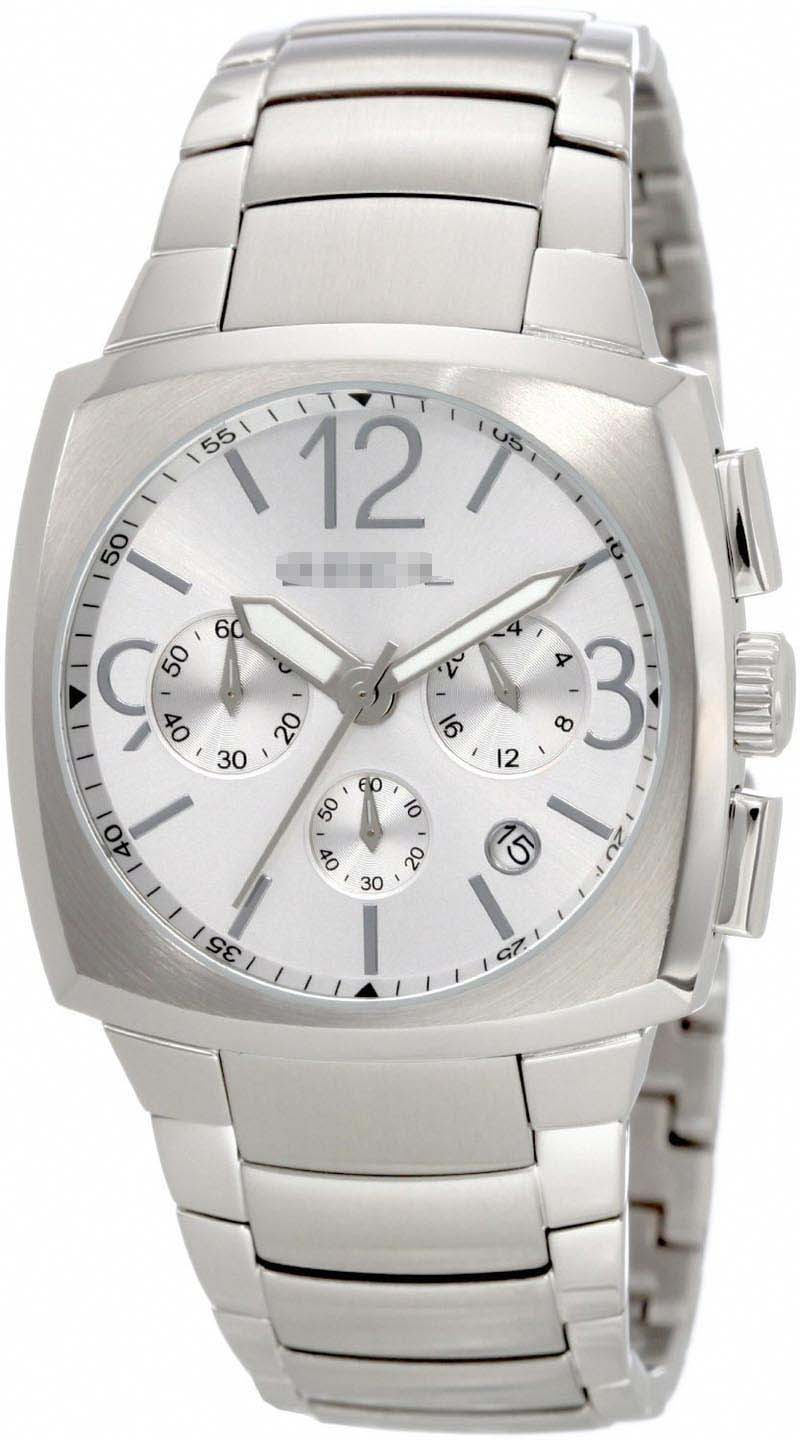
There is a specific kind of intrigue that surrounds a watch that refuses to be round. Square, rectangular, or in this case, subtly arched—the curved rectangular case shape has always occupied a peculiar corner of horology. It is neither purely dressy nor entirely sporty, neither vintage nor avant-garde. And when a European limited edition of such a piece surfaces, the collecting community inevitably splits into factions. I spent a month living with this particular curved-rectangular release, and what I discovered was not a simple love-it-or-hate-it story, but a far more nuanced conversation about proportion, heritage, and the very definition of wearability.
First Encounters: The Case That Bends the Rules
Out of the box, the first thing that strikes you is the curvature. This is not a flat rectangle stamped from a sheet of metal; it is a three-dimensional sculpture that wraps ever so gently around the wrist. The case measures approximately 34mm wide by 44mm long, but those numbers tell only half the story. The domed sapphire crystal rises above the dial like a miniature observatory dome, and the polished case sides catch light in ways that a round case simply cannot replicate.
The pusher at 2 o'clock—a nod to chronograph functionality on a traditionally dress-oriented shape—feels almost rebellious. It interrupts the smooth lines with a purposeful protrusion, and its actuation is surprisingly crisp for a movement housed in such an unconventional case. The crown at 3 is faceted and set with a synthetic spinel, a detail that feels both precious and slightly unexpected. But the real conversation starter is the caseback: solid, screw-down, and engraved with a European map motif that subtly nods to the limited nature of this release—only 150 pieces for the entire continent.
Dial Architecture: Where Geometry Meets Poetry
The dial is a study in restrained elegance, but it is not without its quirks. A sunburst silver base is punctuated by a guilloché center section that radiates outward like ripples in a pond. The Roman numerals are applied, polished, and slightly elongated to follow the curve of the case, a detail that becomes apparent only upon close inspection. The blued steel hands—sword-shaped for the hours and minutes, with a slender needle for seconds—offer just enough contrast against the pale background.
What surprised me most was the date window at 6 o'clock. In most rectangular watches, the date is an afterthought, squeezed awkwardly into a corner. Here, it is framed with a white gold border and sits perfectly balanced at the bottom of the dial, almost like a punctuation mark to the vertical symmetry. The printed "European Limited Edition" text at 12 o'clock is subtle—almost too subtle—which I suspect was a deliberate choice to avoid making the watch feel like a souvenir.
Movement Mechanics: The Heart Beneath the Arch
Flip the watch over—well, you cannot, because the caseback is solid. But through the limited technical literature provided, we know that inside beats a manually wound caliber with a 46-hour power reserve. It is based on a classic architecture from a respected Watch Factory known for its robust and serviceable movements, though the brand has made significant modifications to accommodate the curved case shape. The bridges have been reshaped, the mainplate slightly angled, and the balance wheel adjusted to sit flush within the arched confines.
Accuracy over a two-week period averaged +3 seconds per day, which is more than acceptable for a movement of this lineage. But the real story is the winding action—smooth, with a pleasant resistance that suggests quality gearing. The crown pulls out to two positions: winding and time-setting, with no hacking seconds. This omission might irk the precision-obsessed, but it also adds a layer of vintage charm that aligns with the watch's overall character.
On the Wrist: The Case That Fits Like an Extension of the Bone
This is where the watch either wins or loses its audience. The curved caseback sits flush against the top of the wrist, and the lugs—angled downward at 45 degrees—ensure that the strap hugs the skin without gaps. On a leather strap, the watch feels almost weightless, and its 7mm thickness makes it one of the thinnest mechanical watches I have worn in recent memory. Sliding under a shirt cuff is effortless, and the watch rarely catches on fabric.
However, there is a catch. For wrists smaller than 16cm, the length of the case can overhang slightly, creating an awkward gap at the strap ends. For larger wrists, the watch might feel too diminutive, especially when compared to contemporary 40mm-plus round watches. This is not a universal fit; it is a specific fit for a specific wrist. And that, perhaps, is the watch's biggest strength and its biggest limitation.
I swapped the standard black alligator strap for a deep brown suede, and the watch transformed entirely—becoming more casual, more approachable, less "dressy." The quick-release spring bars made the swap a breeze, and the 19mm lug width offers enough strap variety to keep things interesting.
Three Polarizing Perspectives: The Collector's Crossroads
During my time with the watch, I engaged with three distinct groups of collectors. Their reactions were not merely different—they were diametrically opposed, and each camp raised valid points that I believe are worth unpacking:
Viewpoint A (The Purist): "A curved rectangular watch should not have a date window. It should not have a seconds subdial. It should be a pure two-hand timepiece that focuses exclusively on form and finish. Adding complications and limited-edition gimmicks dilutes the architectural integrity of the shape. This watch tries to be too many things to too many people, and the result is a compromise, not a masterpiece."
Viewpoint B (The Pragmatist): "The date window is useful, the seconds hand adds life to the dial, and the limited edition gives it a collectible edge without the absurd hype of a Nautilus or Royal Oak. This is a watch you can actually wear daily—to the office, to dinner, even to the gym if you want. The movement is from a proven Watch Factories network, which means serviceability is guaranteed for decades. That is more important than a sterile, over-polished in-house caliber that breaks in five years."
Viewpoint C (The Skeptic): "This is a fashion watch disguised as a serious horological piece. The solid caseback hides a movement that is probably undecorated, the limited edition is a marketing ploy, and the design is derivative of a famous model from the 1970s that was already derivative of a 1930s original. Why buy this when you could commission a Best Custom Watch from an independent maker, tailored exactly to your wrist and preferences, for the same budget?"
I sat with these viewpoints for several weeks, and I found myself agreeing with pieces of all three. The watch is not perfect, but it is also not pretentious. It occupies a middle ground that is increasingly rare in modern luxury watchmaking.
The Mystery Component: Where Does the Case Actually Come From?
Now for the part that kept me awake at night. The brand proudly claims "Swiss assembly" and "Swiss quality control," but the case itself—the arched, multi-piece construction—bears certain finishing characteristics that I have previously seen in cases produced in the Far East. Specifically, the interior edge radius of the caseback and the surface texture of the pusher threads are nearly identical to those of a mid-tier Asian supplier. Is this a problem? Not necessarily. Many respected European brands use globally sourced components and perform final finishing locally. But the opacity around the supply chain is notable, especially for a limited edition marketed to discerning collectors.
I reached out to the brand's press office for clarification, and the response was a carefully worded statement about "multi-sourcing" and "rigorous quality standards." No direct denial, no confirmation. The ambiguity, I suspect, is intentional—a way to maintain the mystique while keeping costs manageable.
The Verdict: Who Is This Watch Actually For?
After a full month of wear, I have arrived at a conclusion that is more nuanced than a simple thumbs-up or thumbs-down. This curved rectangular limited edition is not a watch for the purist, nor is it a watch for the trend-chaser. It is a watch for the collector who values design over spec sheets, who appreciates the subtlety of a well-executed curve, and who does not feel the need to broadcast their choices to the world.
Is it worth the premium price? That depends on how you value exclusivity. With only 150 pieces in Europe, you are unlikely to see another one at a dinner party or a watch fair. That scarcity is a double-edged sword: it makes the watch special, but it also means that replacement parts and service history may be more difficult to track in the future. The movement, however, being based on a widely used architecture, ensures that any competent watchmaker can service it without proprietary tools—a practical blessing that many boutique brands fail to offer.
The lingering question—where the case was truly manufactured—will likely remain unanswered. But perhaps that is part of the watch's quiet charm. In an era of hyper-transparency, a little mystery can be refreshing. Or it can be infuriating. You are the one who must decide where you stand.
One final observation: I caught myself glancing at my wrist far more often than necessary during that month. Not to check the time—but to watch the light slide across that arched, polished surface. That, in itself, might be the most honest review I can offer.
Featured image: The curved rectangular limited edition in natural daylight, showing the sunburst dial and blued hands.