
The Dress Watch Debate of 2026: Why a Pink Gold Rectangle Steals the Spotlight
There is a quiet revolution happening in the world of high-end dress watches. While sports models and integrated bracelets continue to dominate the headlines, a new wave of elegant, historically grounded timepieces is capturing the attention of discerning collectors. The Watches and Wonders 2026 fair in Geneva made this shift unmistakably clear: the most compelling releases weren't always the loudest or the most complicated—they were the ones that mastered proportion, material, and heritage.
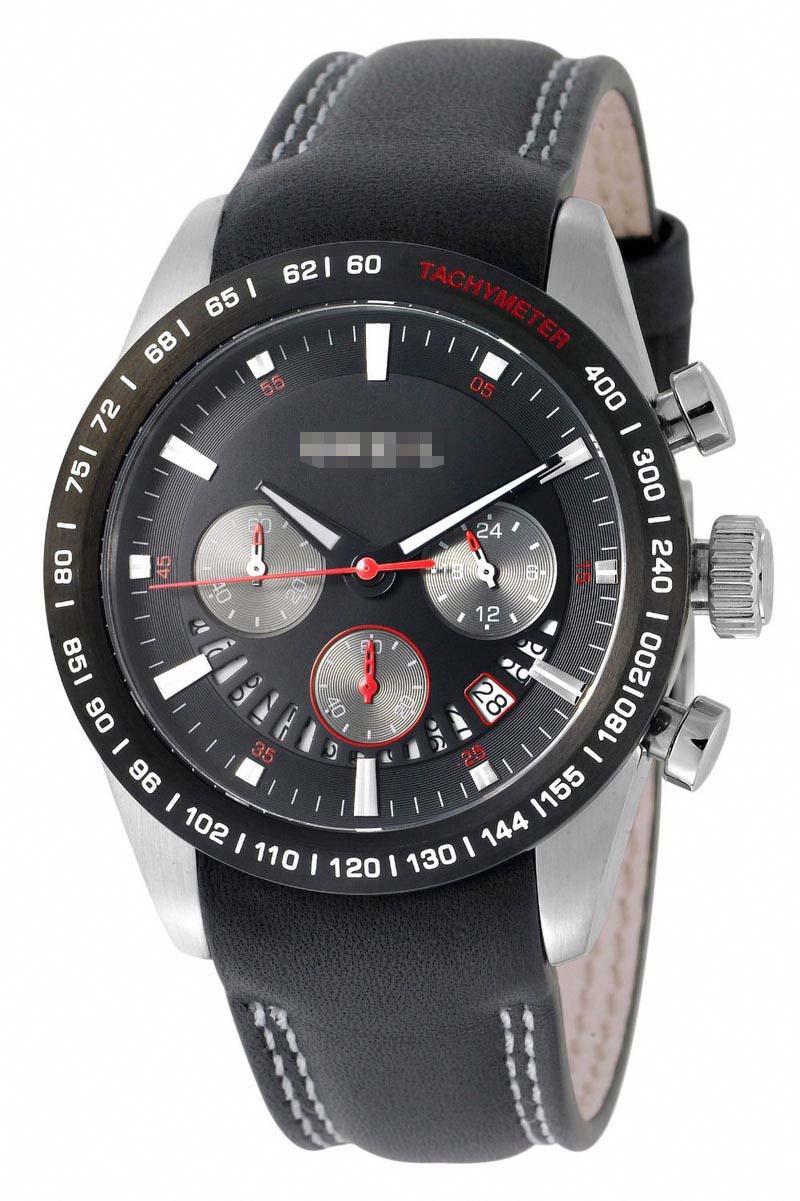
At the center of this conversation sits a remarkable pink gold rectangular watch that has sparked both admiration and skepticism. I spent considerable time with this piece, and what emerged was not a simple verdict but a layered narrative about what a dress watch should be in 2026—and whether we're ready to embrace a more intimate, personal vision of luxury.
First Impressions: The Case That Defies Convention
Out of the box, the 45.6mm by 27.4mm rectangular case immediately asserts its presence—not through size, but through purity of form. The 18K pink gold is warm without being ostentatious, and the Milanese mesh bracelet, woven from over ten meters of gold thread, wraps around the wrist with an almost textile-like flexibility [citation:3][citation:11]. The 7.56mm thickness is remarkably slim, allowing the watch to slide effortlessly beneath a cuff.
The dial is a study in restrained elegance: a finely grained gold surface with applied faceted indexes and dauphine hands. The small seconds subdial at 6 o'clock adds a subtle touch of animation without disrupting the Art Deco harmony. Every element feels intentional, every proportion carefully considered. It's the kind of watch that doesn't shout—but it certainly leaves an impression.
Movement Mechanics: The Heart of the Rectangle
Inside beats the manual-winding Calibre 822, a movement designed specifically for the rectangular case shape. At just 2.94mm thick, it's a testament to Jaeger-LeCoultre's technical prowess, offering a 42-hour power reserve while maintaining the watch's slim profile [citation:2][citation:10]. The movement comprises 108 components and operates at 21,600 vibrations per hour—specifications that prioritize reliability over spectacle.
The solid caseback, true to the Monoface concept, invites personalization. This is where the watch's character truly lies: it's a canvas for engraving or lacquer decoration, transforming a mass-produced object into a personal artifact [citation:3]. In an era of transparent casebacks and movement exhibition, this choice feels almost rebellious—a reminder that some stories are meant to be intimate.
On the Wrist: A Study in Discomfort or Harmony?
Wearing this watch is a paradoxical experience. The Milanese bracelet is supremely comfortable, conforming to the wrist with a flexibility that leather straps can't match. The 27.4mm width sits proportionally on most wrists, and the sliding clasp ensures a perfect fit [citation:11]. Yet, the rectangular case demands attention—it doesn't fade into the background like a round watch might.
Is it a dress watch for daily wear or for special occasions? The answer seems to be both. Its versatility is both its strength and its weakness: it's too elegant to be a tool watch, yet too understated to be a statement piece. It occupies a middle ground that feels distinctly modern.
Three Opposing Views: The Collector's Crossroads
During my time with the watch, I encountered several sharply divided perspectives:
Viewpoint A (The Romantic): "This watch is a masterclass in restraint. The pink gold case, the Milanese bracelet, the grained dial—every element speaks of artisanal precision. In an era of oversized sports watches and over-the-top complications, this piece reminds us of what watchmaking should be: personal, elegant, and mechanically pure. It's a watch you don't just wear—you live with it."
Viewpoint B (The Skeptic): "The price is hard to justify. For this money, you could commission a piece from independent watchmakers or explore options from Smart Watch Manufacturers with far more functionality. The movement is solid but unremarkable, and the 'limited edition' label feels more like a marketing device than a reflection of true scarcity. Is the craftsmanship really worth the premium?"
Viewpoint C (The Realist): "The watch is beautiful, no question. But it's also impractical. The Milanese bracelet, while comfortable, shows wear quickly. The pink gold case is prone to scratches. And the lack of a sapphire display caseback means you can't appreciate the movement. This is a watch for someone who values aesthetics over durability—a collector, not a daily wearer."
Which camp is right? The answer likely depends on your personal connection to the watch's story—and your willingness to embrace its compromises.
The Unanswered Question: What Makes a Dress Watch Truly Modern?
The broader debate this watch inspires is about the very definition of a dress watch in 2026. For decades, the formula was simple: thin case, leather strap, precious metal, minimal complications. But today's collectors demand more—versatility, durability, and a sense of individuality. The pink gold rectangular piece challenges these expectations by offering a blend of tradition and innovation that feels uniquely contemporary.
Some critics argue that this watch represents a retreat into nostalgia, a refusal to engage with the demands of modern life. Others see it as a refreshing counterpoint to the dominance of sports watches—a return to the values of craftsmanship and heritage. The truth, as with most polarizing watches, lies somewhere in between.
This reminds me of a broader trend: the rise of alternative materials and production methods in luxury watchmaking. While this piece uses traditional gold, many brands are exploring composites and alloys. For instance, innovations from a Swiss Watchmaking Factory have pushed the boundaries of what's possible, much as manufacturers in other regions are redefining value propositions, with some Watch Manufacturers China offering compelling alternatives at different price points.
The question of provenance and manufacturing also looms large. While this piece is assembled in Switzerland with a Swiss movement, the supply chain for components is increasingly global—a reality that challenges traditional notions of exclusivity and authenticity.
The Verdict: Who Should Buy This Watch?
After extensive hands-on time, I've arrived at a conclusion that is more nuanced than a simple thumbs-up or thumbs-down. This pink gold rectangular watch is not for everyone—but it doesn't need to be. It's a watch for the collector who values design over specification, who appreciates the subtlety of a well-executed curve, and who doesn't feel the need to broadcast their choices.
It's a watch that rewards close attention—the kind of piece you discover anew each time you wear it. The Milanese bracelet catches light differently in the morning than in the evening. The grained dial reveals new textures under different angles. The caseback, left blank or engraved, tells a story that's uniquely yours.
The lingering question—whether the price truly reflects the value—will remain subjective. But perhaps that's the essence of watch collecting: finding meaning in the details that resonate with you. For some, that meaning will be found in the warmth of pink gold and the precision of a manual-wind movement. For others, it will lie elsewhere.
One final thought: the dress watch debate of 2026 isn't about which watch is objectively better. It's about which watch speaks to you. And in a world of increasing complexity, there's something profoundly appealing about a watch that simply tells the time—beautifully.
Featured image: The pink gold rectangular watch on a Milanese bracelet, showcasing the grained dial and Art Deco details.