
The Nautical Chronograph: When a Racing Icon Dives Into Uncharted Waters
There is something profoundly unexpected about seeing a name synonymous with asphalt and speed suddenly appear in the context of tides, regattas, and salt spray. For decades, this particular silhouette has been the undisputed champion of the racetrack, its tachymeter bezel and pulsating sub-dials designed to measure velocity on dry land. Now, a new limited edition has emerged, trading tire smoke for sea foam, and the watch community is collectively asking: does a racing chronograph belong on a sailor’s wrist?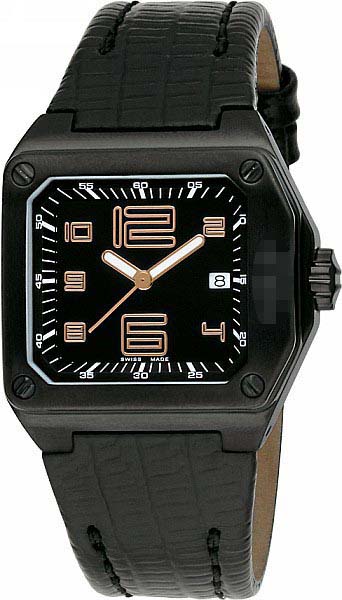
This is not merely a color swap or a marketing gimmick. This is a philosophical shift, a reimagining of what a sports chronograph can be. And like any bold departure from tradition, it has sparked passionate debate among collectors, sailors, and casual enthusiasts alike.
## The Blue Horizon: A Design Language Reimagined
The most immediate and striking change is the color palette. Gone are the familiar black dials with white registers, or the panda configurations that have become the uniform of motorsport chronographs. In their place is a deep, sunburst blue that evokes the open ocean at midday. The bezel, still crafted from ceramic for scratch resistance, now features a matching blue insert with silver or white markings that mimic the contrast of wake against deep water.
But the details are where the maritime inspiration truly comes alive. The sub-dials, typically rendered in stark contrast for maximum readability at 200 mph, now feature concentric circular patterns that resemble nautical compass roses or the ripples of water disturbed by a hull. The hands, sharp and angular in their racing heritage, have been softened slightly, with a subtle application of luminescent material that glows in a cool aqua tone, reminiscent of bioluminescent plankton in moonlit seas.
### The Bracelet and The Strap
Perhaps the most divisive element is the strap option. While a steel bracelet remains available, the limited edition introduces a blue textured rubber strap with a woven pattern that mimics aged canvas or sailing rope. This is a direct nod to the maritime world, a material that laughs at water and sweat, unlike the leather straps that would wither in such conditions. It is a functional choice, but one that purists argue detracts from the "dressy" nature of the chronograph.
## The Heart of the Debate: Form Versus Function
As with any significant departure from a brand's core identity, the reaction has been split down the middle. This isn't just about aesthetics; it's about the very definition of a tool watch. Does a racing chronograph, with its heritage rooted in measuring average speed over a fixed distance, have any legitimate place in a sailor's kit? Let's explore the two opposing camps.
### The Traditionalist's View: A Solution in Search of a Problem
The first camp, composed of hardcore motorsport purists and vintage collectors, views this nautical detour as a dilution of the model's DNA. They argue that the chronograph was born on the track, its tachymeter scale specifically calibrated for timing laps and calculating speed. On a boat, that scale is largely useless.
We are seeing a brand pandering to trends rather than honoring its legacy, one collector lamented in a recent forum discussion. "Just because you paint a racing car blue and put a rope on it doesn't make it a sailing watch. Where is the regatta countdown timer? Where is the tide indicator? This is a racing chronograph dressed up in a sailor's hat."
For this group, the watch is a confection, a piece of marketing designed to capitalize on the growing popularity of nautical aesthetics in luxury goods. They see it as a betrayal of the engineering purity that made the chronograph famous. They would argue that a true nautical instrument should be purpose-built, like the classic dive watches with rotating bezels for elapsed time, not a repurposed racing tool. The beauty of a watch lies in its authenticity, and to them, this feels inauthentic.
### The Pragmatist's View: Evolution, Not Heresy
The opposing camp sees this release as a brilliant evolution. They point out that the chronograph function itself is inherently versatile. While the tachymeter bezel may be specific to racing, the stopwatch function is universal. Timing a sail change, measuring the interval between navigation marks, or simply timing a race start are all valid uses for a chronograph.
Furthermore, they argue that the 100-meter water resistance, screw-down crown, and robust movement make it perfectly capable of handling the marine environment. The rubber strap and ceramic bezel are practical choices for a life on the water. This isn't a dive watch meant for scuba exploration; it's a luxury sports chronograph that can comfortably accompany its owner from a yacht club to a dinner party.
The watch is not trying to be a dive computer, a maritime watch enthusiast countered. "It's a beautiful, functional object that reflects a lifestyle. The color blue and the rope texture are not gimmicks; they are design cues that resonate with people who love the sea. A watch can evolve beyond its original purpose. It's called progress." They believe that the ability of a brand to reinterpret its heritage for new audiences is a sign of health, not decline.
## The Collector's Dilemma
This release presents a fascinating dilemma for collectors. It raises two critical questions that will determine whether this limited edition becomes a future classic or a forgotten footnote.
**1. The "First of Its Kind" Premium**
This is the first time this iconic chronograph has been explicitly themed around sailing. Historically, the "first" of any significant variant tends to command a premium in the secondary market. But does this thematic departure carry the same weight as a historically significant racing edition? Or is it a novelty that will fade as fashions change? Investing in such a piece requires a gamble on the long-term appetite for nautical-themed racing watches.
**2. The Component Sourcing Question**
In an era where transparency is increasingly valued, collectors are also asking about the origin of the movement and components. While the brand is renowned for its in-house capabilities, many luxury manufacturers rely on specialized partners for specific components. The choice of materials is also a factor. For those seeking a truly bespoke experience, the appeal of alternatives is growing. Some enthusiasts are exploring paths less traveled, looking into the world of Custom Titanium Watches for their lightweight and corrosion-resistant properties, or even considering the craftsmanship offered by OEM Watch Manufacturers who can produce unique designs outside of the traditional luxury framework. And for those who prefer a warmer, more precious metal, Custom Rose Gold Watches offer an alternative aesthetic that contrasts sharply with the sporty, blue ceramic of this limited edition. The question remains: does this nautical chronograph offer enough uniqueness to compete with the bespoke allure of custom-made pieces?
## Wearing the Watch: The Real-World Experience
Setting aside the debates about brand identity and value retention, what is it actually like to wear this watch? The first thing you notice is the weight. The bracelet version feels substantial, reassuringly solid on the wrist. The blue dial is a chameleon; in direct sunlight, it explodes with a vibrant, electric energy, while in the shade, it deepens to an almost midnight blue.
The chronograph pushers are crisp, with a satisfying tactile click that speaks to the quality of the movement inside. The rubber strap, while a departure from tradition, is incredibly comfortable. It conforms to the wrist immediately, and its textured surface prevents the watch from sliding around, even in hot, sweaty conditions.
This is a watch that invites interaction. You find yourself pressing the chronograph pushers just to hear the mechanism engage. You catch your reflection in shop windows to see how the blue dial plays with the light. It is, in every sense, a "wrist presence."
## The Verdict: A Bridge Between Two Worlds
Ultimately, this nautical chronograph is a fascinating experiment. It is a bridge between two worlds—the raw, adrenaline-fueled environment of motorsport and the vast, serene expanse of the ocean. It will not please everyone. Traditionalists will decry it as a heresy, a dilution of a legendary model. Pragmatists will embrace it as a beautiful, versatile evolution of a classic design.
But perhaps that is the point. The watch world is not a monolith. It is a tapestry of tastes, preferences, and passions. This limited edition is a bold, colorful thread in that tapestry. It challenges our preconceptions about what a sports chronograph should be, and in doing so, it has started a conversation that extends far beyond the question of "should a racing watch be nautical?"
Whether you see it as a brilliant fusion of two worlds or a confused identity crisis, one thing is certain: it is a conversation starter. And in the often-staid world of luxury watches, that is a rare and valuable commodity. It is a reminder that tradition is not a cage, but a foundation upon which new stories can be built. The blue horizon is calling; whether you choose to follow its siren song is entirely up to you.