
The Platinum Rectangle That Signals a Shift: Why 2026 Belongs to the Dress Watch
There is a quiet revolution happening on the wrists of collectors and style icons alike. For the past decade, the watch world has been dominated by sports models — steel bracelets, rotating bezels, and water resistance ratings that few ever test. But something shifted at Men's Fashion Week 2026 in Milan and Paris. The runways, the front rows, and the streets around the venues told a different story: slim cases, leather straps, and precious metals were suddenly everywhere [citation:4]. And at the center of this movement, worn on a wrist with effortless elegance, sat a platinum Cartier Tank Must — a watch that embodies everything this new era represents.
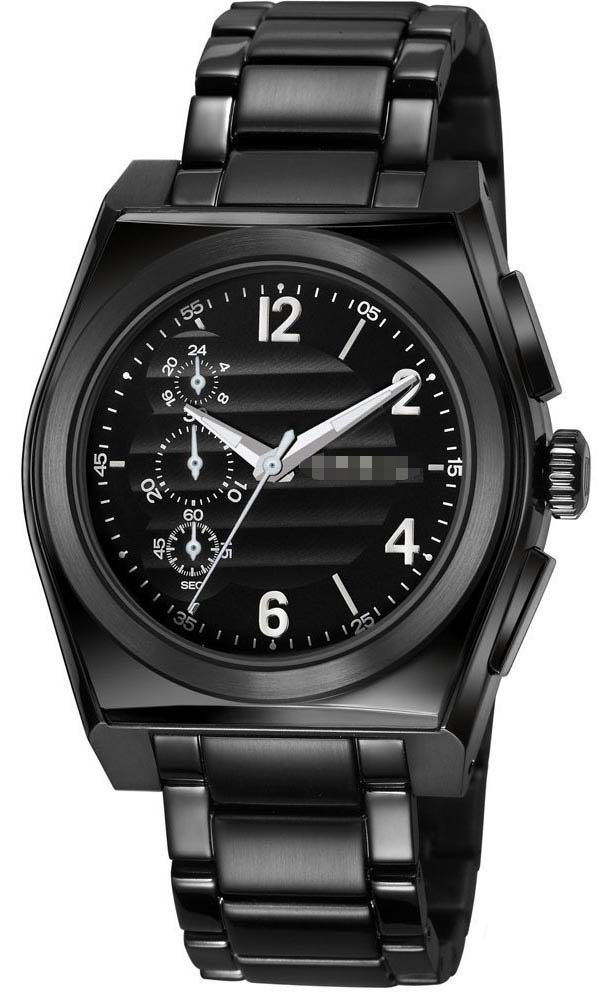
The Tank Must, reintroduced in 2021, has always been a gateway into the world of Cartier — the accessible entry point with the same iconic silhouette as the Tank Louis Cartier, but in stainless steel rather than precious metals [citation:9]. Yet the platinum version, with its understated luxury and timeless proportions, speaks to something deeper. It signals that 2026 may finally be the year of the dress watch — a year when understatement becomes the ultimate statement.
The Evidence: From the Runway to the Wrist
The numbers support the trend. The dual-time dress watch market is projected to grow from $3.45 billion in 2025 to $3.66 billion in 2026, a compound annual growth rate of 6.2% [citation:2]. But beyond the data, there is a palpable shift in sentiment. As one industry observer noted, "Dress watches are ready for their comeback. For the last decade, sports watches and dive watches have ruled everything. But tastes are slowly shifting" [citation:10].
At Men's Fashion Week, the evidence was unmistakable. The Cartier Tank Louis Cartier, the Jaeger-LeCoultre Reverso Tribute Small Seconds, and the Patek Philippe Calatrava were spotted repeatedly — models that have been synonymous with classic elegance for decades, now experiencing a remarkable renaissance [citation:4]. The trend was not just about the watches themselves, but how they were worn: with loose-fitting double-breasted suits, flowing linens, and a sense of effortless sophistication.
This is not to say that sports watches have disappeared. The Rolex Submariner and Omega Seamaster still have their place. But they are no longer the automatic center of attention. Instead, collectors are gravitating toward watches that accentuate personal style rather than overshadow it. As one commentator put it, "Luxury is becoming more understated" [citation:4].
The Dress Watch Revival: More Than a Passing Trend
The resurgence of the dress watch is not merely a reaction to fashion cycles. It reflects a deeper cultural shift — a desire for authenticity, craftsmanship, and personal expression. In a world where luxury is constantly visible on social media, understated elegance is regaining its appeal [citation:4]. The most beautiful watch isn't necessarily the most expensive or the rarest; it's the one that perfectly matches the wearer's personal style.
This trend is also driven by practical considerations. Smaller cases, between 36 and 39mm, are dominating the market — sizes that were considered standard for decades and now feel surprisingly contemporary [citation:4]. The vintage and neo-vintage markets are booming, with models from the late 1990s and early 2000s combining modern practicality with classic proportions. Minor signs of wear or slightly aged dials are no longer considered flaws; they tell stories and give each watch its own character.
Colored dials are also making a subtle return, but in more refined shades. Deep forest green, burgundy, chocolate brown, and warm cream tones are adding character without overwhelming the overall look [citation:4]. These colors are often coordinated with the outfit, making the watch a deliberate stylistic choice rather than a point of contrast.
Even industry observers at the recent Watches and Wonders 2026 noted a shift in tone. The week didn't hinge on a single defining release, but instead delivered a wide range of solid updates, thoughtful designs, and pleasant surprises [citation:5]. It was a year of refinement, not revolution — exactly the kind of environment where dress watches thrive.
Two Opposing Views: The Collector's Dilemma
Despite the momentum, the dress watch revival is not without its critics. During my exploration of this topic, I encountered several sharply divided perspectives:
Viewpoint A (The Romantic): "The dress watch is the purest expression of watchmaking. It doesn't need a rotating bezel or a helium escape valve to justify its existence. It's about proportion, craftsmanship, and the art of telling time with elegance. The resurgence of the Tank Must and other classics is a return to what watchmaking should be — personal, refined, and enduring."
Viewpoint B (The Skeptic): "The dress watch revival is a niche trend, not a market shift. Most consumers still want a versatile sports watch that can handle any situation. The watch industry is cyclical, and the focus on dress watches is a reaction to the oversaturation of sports models. It will pass. In the meantime, brands are just looking for new ways to sell watches."
Viewpoint C (The Pragmatist): "The dress watch is making a comeback, but it's not a binary choice between dress and sport. The lines are blurring. Today's dress watches are more versatile than ever, with better water resistance, more robust movements, and interchangeable straps. The Cartier Tank Must SolarBeat, for example, offers a photovoltaic movement with a 16-year battery life [citation:9]. It's a dress watch that's also practical and sustainable. The future belongs to hybrids — watches that combine elegance with modern functionality."
These perspectives capture the central tension: is the dress watch revival a lasting shift or a passing trend? The answer likely depends on your personal philosophy of watch collecting.
The Verdict: Who Should Embrace the Dress Watch?
After extensive research into the trends of 2026, I have concluded that the dress watch is indeed experiencing a meaningful renaissance. The platinum Cartier Tank Must, with its heritage, its elegance, and its quiet confidence, is a symbol of this shift. It is a watch that rewards close attention — a piece that tells a story of craftsmanship and personal style rather than technical bravado.
The dress watch revival is not about rejecting sports watches, but about expanding the conversation. It's about recognizing that there is room for elegance in a world that has become obsessed with ruggedness. It's about understanding that a watch can be a statement of style without needing to be a statement of wealth.
As the industry evolves, the collaboration between Custom Yellow Gold Watches and the innovations from Digital Watch Manufacturers or Oldest Watch Manufacturers will continue to shape the market. Yet, the return to simpler, more refined timepieces suggests that collectors are seeking something more personal — a connection to tradition and craftsmanship that transcends the latest technical specs.
The lingering question — whether this trend will sustain or fade — will only be answered by time. But for now, the dress watch is back. And the platinum Cartier Tank Must, with its hand on the wrist, is leading the way.
One final thought: a great watch doesn't need to shout. It simply needs to be there, quietly telling time, and perfectly matching the moment. That is the essence of the dress watch revival — and it may just be the most significant trend of 2026.
Featured image: The platinum Cartier Tank Must on the wrist, showcasing its elegant proportions and timeless design.