
The Pocket Shot Paradox: Debunking Watch Collecting's Most Persistent Myths
There is a moment of quiet reflection that often accompanies a wrist shot of a classic watch. It is a moment that captures the essence of the hobby: the beauty of the design, the warmth of the materials, and the story that the watch tells. A recent "pocket shot" of a vintage treasure, its dial glowing with a patina that can only be earned through decades of life, serves as a perfect metaphor for the journey of a watch collector. But this simple image also serves as a potent reminder of the many myths and misconceptions that cloud the path of both novice and seasoned enthusiasts. From the perceived invincibility of a legendary movement to the belief that vintage is always better, the world of watch collecting is rife with folklore that deserves to be examined.
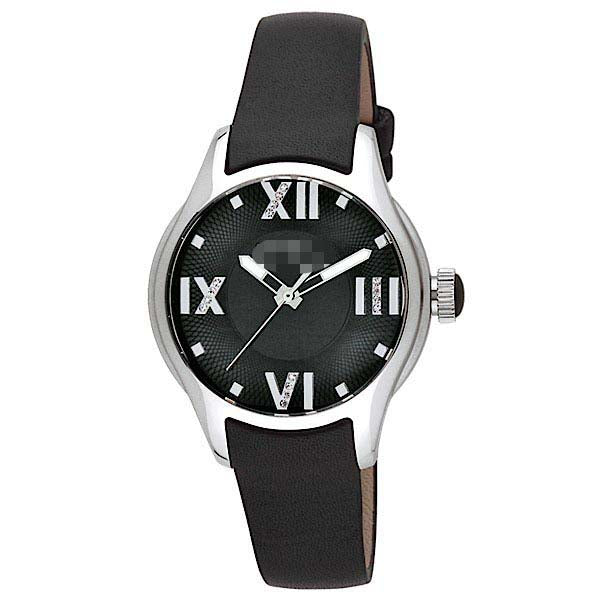
The suspense of this journey lies not just in the watches themselves, but in the questions they raise. Is the most expensive watch always the best? Does a prestigious name guarantee quality? And, perhaps most importantly, is the value of a watch determined by its technical specifications, or by the emotional connection it forges with its owner? The answers, as with all great adventures, are often surprising and deeply personal.
The Myth of the Indestructible Movement
One of the most persistent myths in watch collecting is the belief that certain movements are utterly indestructible. While it is true that some calibers are renowned for their robustness and reliability, no mechanical movement is immune to the ravages of time or the need for maintenance. The myth often leads collectors to neglect regular servicing, assuming that their watch will continue to run flawlessly forever. This is a dangerous misconception. A lack of proper maintenance can lead to increased friction, wear on delicate components, and ultimately, costly repairs. The truth is that even the most legendary movements require periodic care to ensure their longevity. A well-maintained watch, regardless of its origin, will always outlast one that is neglected.
This myth is perpetuated by a romanticized view of the past, where watches were built to last a lifetime. While there is some truth to the fact that vintage watches were often built with a focus on longevity, they were also designed to be serviced. The key to a long life for any mechanical watch is a combination of quality construction and responsible ownership. The myth of the indestructible movement is a seductive one, but it is ultimately a path to disappointment. The best way to honor a great movement is to care for it properly.
The Fallacy of "Vintage is Always Better"
Another common misconception is the idea that vintage watches are inherently superior to their modern counterparts. This belief is often rooted in nostalgia, a longing for a bygone era of craftsmanship. While it is true that many vintage watches possess a unique charm and a sense of history that is difficult to replicate, they also come with their own set of challenges. Vintage movements can be more fragile, parts can be difficult to source, and water resistance is often minimal. Modern watches, on the other hand, benefit from advances in materials science, engineering, and manufacturing techniques. They are often more accurate, more robust, and more reliable than their vintage predecessors. The choice between vintage and modern is not about which is "better," but about which is right for you. A vintage watch offers a connection to the past; a modern watch offers the peace of mind of superior performance. Both have their place in a well-rounded collection.
The key is to approach the vintage versus modern debate with an open mind. A modern watch can offer a level of precision and durability that would have been unimaginable a few decades ago. A vintage watch offers a tangible connection to history and a unique aesthetic that cannot be replicated. The best collection often includes both, each serving a different purpose and offering a different kind of joy. The fallacy is in believing that one is inherently superior to the other; the reality is that they are simply different.
The Great Debate: Three Perspectives on a Collector's Journey
The prevalence of these myths has inevitably sparked a fascinating, three-pronged debate about the nature of collecting:
- Viewpoint A: The Romantic Traditionalist. This camp celebrates the vintage watch as the pinnacle of the hobby. They are drawn to the history, the patina, and the unique character of a well-worn timepiece. They see modern watches as cold and soulless, lacking the charm of their ancestors. For them, the best watch is one that has lived a life, that tells a story beyond its specifications.
- Viewpoint B: The Pragmatic Modernist. This group champions the modern watch. They value accuracy, durability, and the peace of mind that comes with modern engineering. They see vintage watches as fragile and high-maintenance, better suited for display than for daily wear. For them, the best watch is one that is reliable, precise, and built to last.
- Viewpoint C: The Balanced Collector. The third camp sees value in both perspectives. They appreciate the romance of a vintage watch and the precision of a modern one. They might own a vintage piece for special occasions and a modern sports watch for daily wear. For them, the debate is not about which is better, but about appreciating the diversity of the hobby.
The Wearability Question: A Watch for Every Wrist
Beyond the debate, there is a practical question: how do these different watches perform on the wrist? The answer is that each one is designed with a specific wearer in mind. A vintage dress watch, with its elegant proportions and delicate movement, is perfect for formal occasions. A modern sports watch, with its robust construction and advanced movement, is ideal for an active lifestyle. The best watch for you depends on your lifestyle, your personal style, and your willingness to embrace the quirks and charms of each era.
The Bigger Picture: The Global Ecosystem of Watchmaking
The creation of a great watch, whether vintage or modern, is a testament to the global nature of the industry. The legacy of Swiss craftsmanship is a powerful draw, with many collectors seeking the prestige of a Swiss Luxury Watch Manufacturer. The heart of any mechanical watch is its movement, and the pinnacle of this art is often found in the offerings of Swiss Watch Movement Manufacturers, who have perfected their craft over generations.
However, the modern collector also benefits from the skills of a Best Watch Manufacturer In The World, which can represent the fusion of Swiss precision with modern efficiency. This ensures that there is a watch for every taste, every budget, and every philosophy, proving that the industry's strength lies in its ability to cater to a wide range of passions and priorities.
Conclusion: The Myth You Choose to Believe
So, what is the greatest myth in watch collecting? The answer, perhaps, is that there is a single "right" way to collect. The hobby is a personal journey, a reflection of your values, your tastes, and your relationship with time. The myths and misconceptions are simply signposts on that journey, reminders to question our assumptions and to embrace the diversity of the watch world.
The real suspense is not about which watch is "best," but about which one speaks to you. The pocket shot of the vintage watch is a beautiful image, but it is just one frame in a much larger picture. The best watch is the one that makes you feel something, that connects you to a story, and that reminds you why you fell in love with this hobby in the first place.