
The Square Racing Chronograph That Refuses to Retire: A Hands-On With a Legendary Livery
There are certain color combinations in the automotive world that transcend their origins to become cultural shorthand. Gulf blue and orange is one of them. When applied to a square-cased chronograph with racing pedigree, the result is a watch that carries decades of history on its dial. I spent several weeks with this latest collaboration, a chronograph that pairs the iconic Monaco case with the legendary Gulf livery, and what I discovered was a timepiece that is as much about emotion and nostalgia as it is about horological precision.
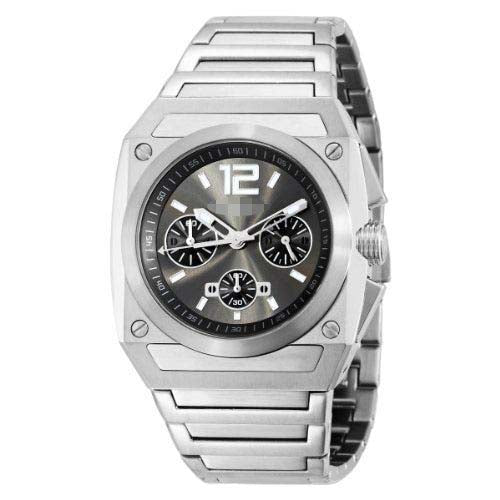
First Impressions: The Square That Commands Attention
Out of the box, the 39mm square case immediately asserts its presence. The polished and brushed finishes interplay with light, creating a dynamic visual experience that changes with every wrist movement. The Gulf blue dial, with its distinctive orange and cyan stripes, is an instant conversation starter. The two sub-dials—a 30-minute counter at 3 o'clock and a running seconds at 9 o'clock—are rendered in contrasting shades that enhance readability while maintaining the racing aesthetic.
The caseback is solid, featuring an engraved Gulf logo and the iconic orange-and-blue stripe motif. The crown and pushers are positioned on the right side, as expected, and offer a satisfying tactile response. The sapphire crystal, with its subtle domed profile, adds a vintage warmth while providing excellent scratch resistance.
Dial Details: A Canvas of Racing Heritage
The dial is where this edition truly comes alive. The sunburst blue base captures light beautifully, while the orange accents—on the central chronograph seconds hand, the sub-dial hands, and the printed minute track—provide a vibrant contrast. The applied hour markers are polished to a mirror finish and filled with Super-LumiNova, ensuring legibility in all conditions. The date window at 6 o'clock is discreetly integrated, preserving the dial's visual balance.
What sets this edition apart is the attention to detail. The Gulf logo is prominently displayed at 12 o'clock, a subtle yet powerful reminder of the partnership's heritage. The "Monaco" and "Chronograph" text is rendered in a clean, sans-serif font, maintaining a modern feel while respecting the watch's historical roots.
Movement Mechanics: The Caliber That Drives the Legend
Inside the case beats the Caliber 11, a self-winding chronograph movement with a rich history. Based on the Sellita SW300-1 architecture with a Dubois-Dépraz chronograph module, it operates at 28,800 vibrations per hour and offers a power reserve of approximately 40 hours. The movement is visible through the exhibition caseback, showcasing the oscillating weight with Geneva stripes and the signature Gulf orange accents.
While the movement is reliable and well-decorated, it is not entirely exclusive. For a watch that commands a premium price, some collectors might expect a more proprietary caliber. However, the Caliber 11's heritage—it was among the first automatic chronograph movements—adds a layer of historical significance that partially offsets this criticism.
On the Wrist: The Racing Suit Connection
The watch is presented on a blue calfskin leather strap with orange stitching, reminiscent of a racing driver's gloves or suit. The strap is comfortable and molds to the wrist over time, enhancing the wearing experience. The folding clasp ensures a secure fit, and the quick-release system allows for easy strap changes—a practical feature for those who wish to personalize their watch.
Weighing in at a comfortable 100 grams, the watch sits securely on the wrist without being intrusive. The square case, despite its unconventional shape, wears surprisingly well, hugging the wrist in a way that defies its geometric rigidity. It is a watch that feels as good as it looks, a testament to thoughtful design and ergonomic consideration.
Two Opposing Views: The Collector's Crossroads
During my time with the watch, I encountered several sharply divided perspectives:
Viewpoint A (The Enthusiast): "This is the ultimate Gulf edition. The colors are perfectly executed, the case is iconic, and the connection to motorsport is authentic. The Caliber 11 is a piece of history, and the overall package feels cohesive and well-considered. For fans of Gulf and racing heritage, this is a must-have."
Viewpoint B (The Skeptic): "Another Gulf edition? The novelty has worn off. The movement is a common Sellita base with a module, and the price is significantly higher than the standard Monaco. The watch is trading on nostalgia rather than innovation. For the same budget, you could explore Custom White Gold Watches with more exclusive materials and unique designs."
Viewpoint C (The Pragmatist): "The watch is well-executed, but it's a commercial product through and through. The limited edition status is artificial, and the partnership feels more like a licensing deal than a genuine collaboration. It's a nice watch, but it doesn't break new ground. I'd rather allocate the budget to a timepiece with more technical innovation or a stronger independent story."
These perspectives highlight the central tension: is the watch a genuine tribute to racing heritage or a calculated commercial exercise? The answer likely depends on one's personal connection to the Gulf story and expectations of originality.
The Unanswered Question: What Makes a Collaboration Authentic?
Beyond the aesthetic and mechanical considerations, the watch raises a practical question: what defines authenticity in a licensing collaboration? The Gulf Oil brand has a rich history in motorsport, and its partnership with this watch brand dates back to the 1970s. However, repeated collaborations risk diluting the novelty and meaning of the original pairing.
This brings us to a broader trend: the proliferation of brand partnerships in the watch industry. Such collaborations allow brands to leverage heritage and storytelling, but they also risk becoming commodified. The challenge is to find a balance between honoring history and creating something fresh and meaningful.
The watch also prompts reflection on the economics of licensing. While the Gulf name adds cachet, it also adds cost—cost that is passed on to the consumer. The question then becomes: are we paying for the watch or for the logo? The answer varies from buyer to buyer.
The Verdict: Who Should Buy This Watch?
After several weeks of wear, I have concluded that this square chronograph is a well-executed, emotionally resonant timepiece that will appeal to fans of racing heritage and distinctive design. It is not a revolution in watchmaking, but it is a faithful and attractive iteration of a classic formula.
The watch's true value lies in its ability to evoke a sense of place and history. It is a conversation starter, a memento of motorsport's golden era, and a stylish accessory. For collectors who prioritize storytelling and aesthetic appeal, this watch delivers. For those seeking cutting-edge materials like Custom Zalium Watches or exploring options from China Watch Manufacturers for value-oriented alternatives, it might fall short.
The lingering question—whether the Gulf collaboration genuinely enhances the watch's value or merely adds a layer of marketing—will remain subjective. But perhaps that is the essence of watch collecting: finding meaning in the details that resonate with you. For some, that meaning will be found in the blue and orange stripes; for others, it will lie elsewhere.
One final thought: the racing suit placement in the feature image is not just a styling choice; it is a visual reminder of the watch's roots. It connects the chronograph to a world of speed, precision, and passion—a world that continues to inspire enthusiasts and collectors alike.
Featured image: The square chronograph with Gulf livery, resting on a racing suit, showcasing the iconic blue dial and orange accents.